Should you spend your marketing budget on search engine optimization (SEO) or Google Ads? Both can attract customers, but they work differently.
SEO improves visibility in unpaid search results over time. Google Ads lets you pay to compete for advertising placements. The better choice depends on your timeline, audience, and budget.
SEO vs. Google Ads: What’s the Difference?
| Factor | SEO | Google Ads |
|---|---|---|
| Visibility | Unpaid organic search results | Paid ad placements |
| Speed | Improvements can take months | Eligible ads can appear once approved and campaigns begin running |
| Costs | Website, content, and optimization work | Advertising spend plus optional management fees |
| When spending stops | Existing content may continue attracting visitors | Ad traffic generally stops when campaigns stop |
| Control | Limited control over rankings | Greater control over targeting, bids, and budgets |
Google confirms that paying for ads does not improve a website’s organic search rankings.
When SEO Is the Better Investment
SEO makes sense when you want to build visibility that isn’t dependent on paying for every click.
A salon could publish hair coloring service pages. A machine shop could explain its capabilities and industries served. Local businesses can maintain accurate Google Business Profiles.
SEO needs ongoing work, with no guaranteed rankings. Google says changes can take hours to months to affect visibility.
Explore small business SEO services to understand the work involved.
When Google Ads Makes More Sense
Google Ads helps reach people actively searching for services, especially during a launch or seasonal promotion.
A mechanic advertising brake repair can target relevant search terms and geographic locations. An advertiser pays when someone clicks under a cost-per-click bidding approach, but a click is not automatically a booking or sale.
Ads need useful landing pages. If visitors cannot easily contact you, clicks may simply increase spending.
Google’s ad auction considers bids, relevance, landing page quality, and other factors. Paying more does not guarantee the top position.
How Much Should a Small Business Budget?
There is no universal price. Keyword competition, location, profit margins, and website conversions affect affordability.
For SEO, account for content creation, technical improvements, local profile management, and the time needed to maintain your site.
For Google Ads, use Keyword Planner to research local search demand and estimated click costs before setting a budget. Google says most campaigns can spend up to twice their average daily budget on an individual day, while the monthly spending limit is generally 30.4 times that daily amount.
Set an affordable cost per customer using your margins and inquiry-to-sale rate. Ad management may cost extra.
Should You Combine SEO and Google Ads?
Often, yes, if your budget supports both.
A newer business could prioritize a functional website, local listings, and essential service pages, then test a tightly focused Search campaign for its most valuable service.
An established business can use ads for competitive keywords, new locations, or promotions.
Don’t automatically divide the budget equally. Start with the channel most likely to produce profitable inquiries, and expand when performance supports it.
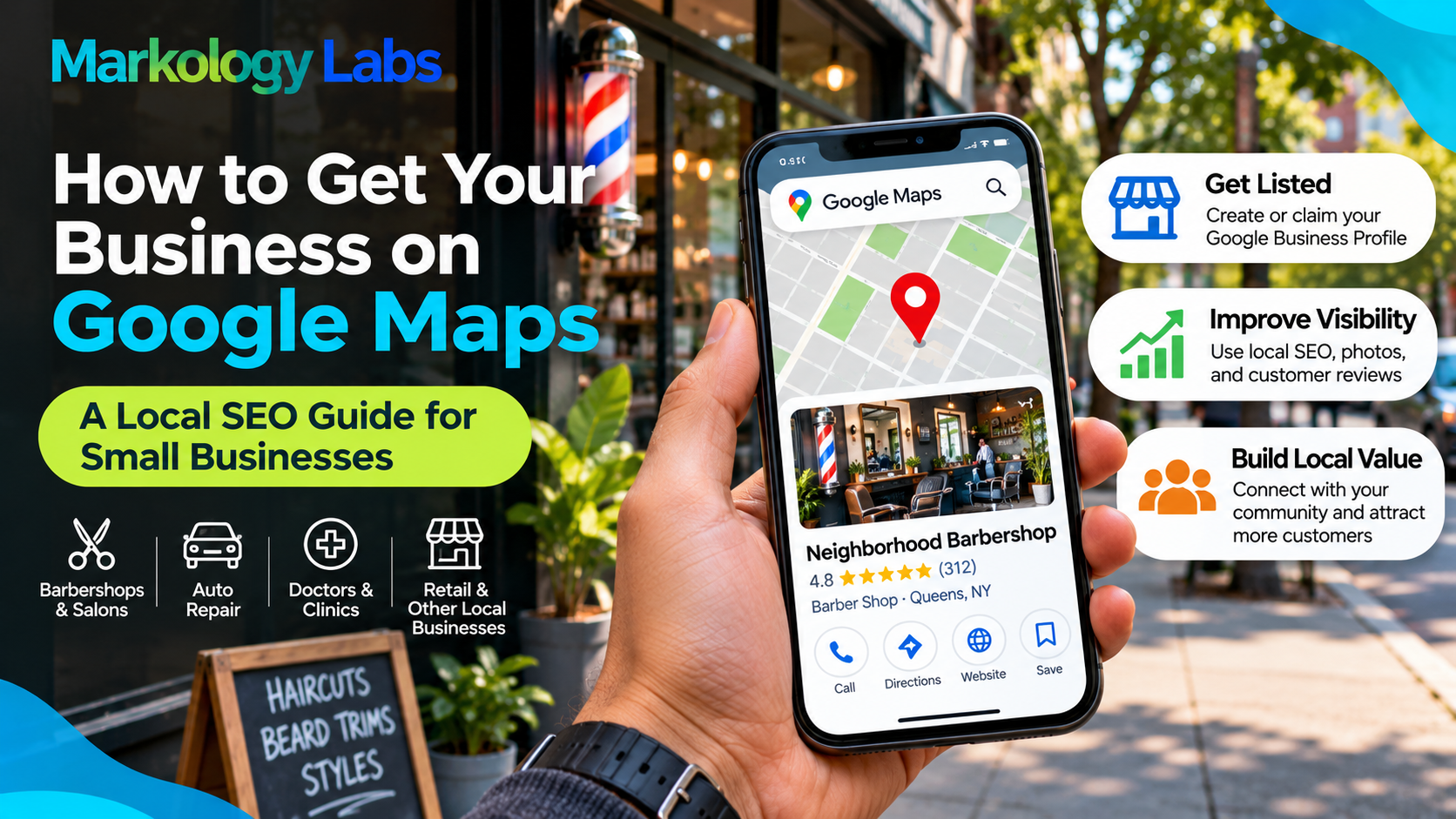
For local visibility basics, see our Google Maps setup guide.
Measure Leads, Not Just Clicks
Monitor organic queries in Search Console and ad costs in Google Ads. Configure GA4’s generate_lead event for successful inquiries.
Compare qualified leads, paying customers, and customer acquisition costs for each channel. High traffic alone does not mean the marketing is working.
Frequently Asked Questions About SEO and Google Ads
Is SEO free compared with Google Ads?
Organic clicks don’t carry a per-click ad charge, but SEO still costs time, tools, content, and potentially professional services.
Can Google Ads help my website rank higher organically?
No. Google states that advertising does not improve unpaid search rankings. SEO and advertising are separate systems.
Which is better for a business with a small budget?
Prioritize an effective website and basic local SEO first. Consider a focused Google Ads test if you can afford enough relevant clicks and reliably track inquiries.
Choose Based on Your Business Goals
SEO builds long-term discoverability; Google Ads offers paid visibility with tighter spending and targeting controls. Neither guarantees customers.
For most small businesses, the best budget decision starts with a working website, accurate lead tracking, and a clear understanding of what a new customer is worth. Markology Labs’ web design services can help strengthen that foundation.